SHOPIFY · WOOCOMMERCE · E-COMMERCE REDESIGN
Online stores that look premium — and work like a business.
Strategy, UX, product architecture and development brought together in one focused studio. Built for brands that have outgrown generic themes and fragmented freelancers.
Need something smaller? Landing-page packages from $149 ↗Clear scope before work startsWritten updates by email or TelegramYou own everything
COMMERCE BLUEPRINTBUILT AS ONE SYSTEM
YOURSTOREStrategy → launch
DESKTOPMOBILEOPERATIONSGROWTH
FEATURED CASE STUDIES
Complete stores, not polished screenshots.
Both concepts can be explored as real storefronts. Products, variants, search, filters, cart behaviour and service pages are part of the experience.
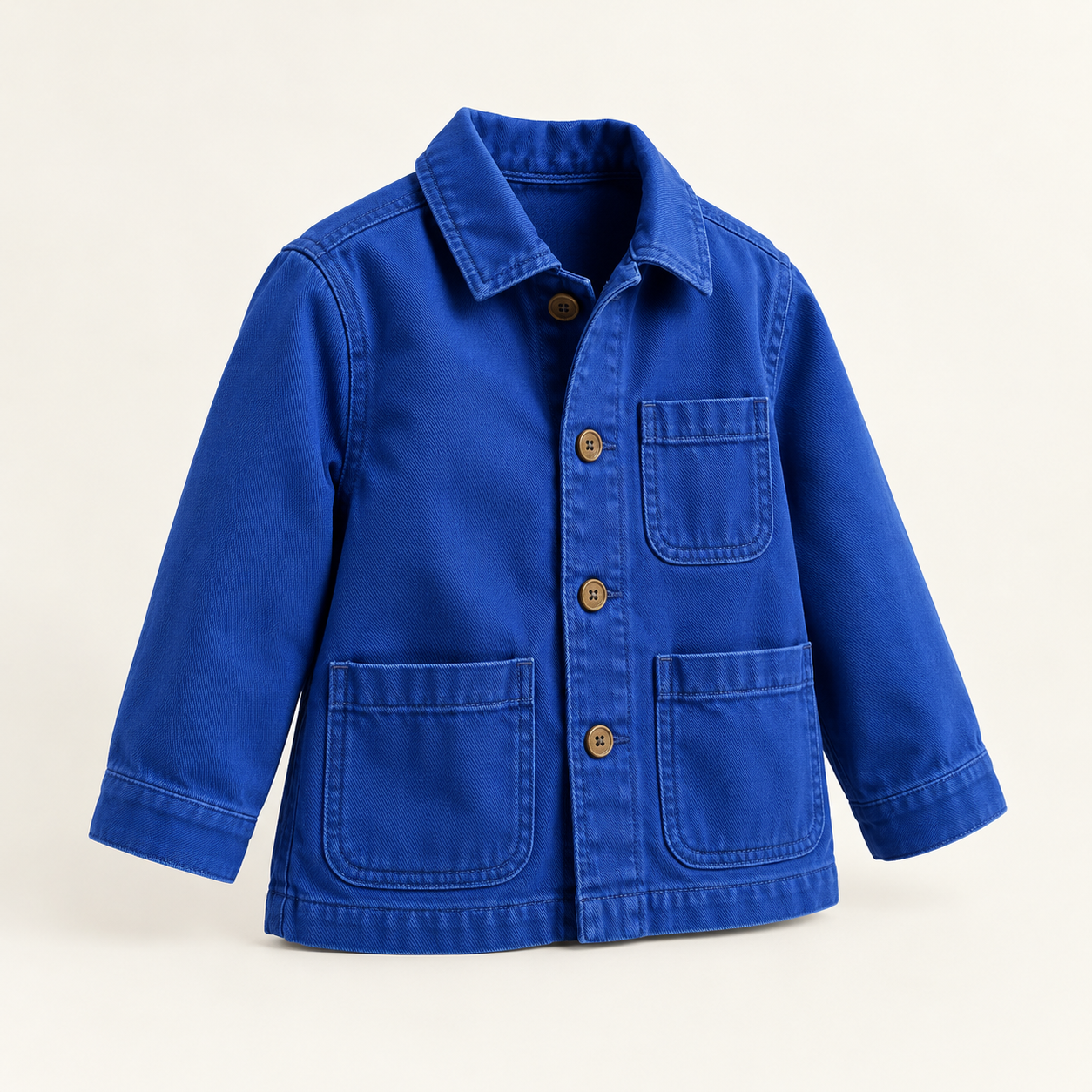
PICO & PINE
A joyful childrenswear store designed to feel expressive and editorial without losing the clarity parents need when choosing colour, size and delivery.
THE BRIEF
Turn a small clothing catalogue into a believable brand and a complete Shopify shopping journey.
- 12
- distinct products
- 36
- visual colour states
- 7
- store and service pages


NORTHFORM
A performance-commerce concept that replaces a repetitive catalogue with clear product families, energetic colour and category-specific merchandising.
THE BRIEF
Show how WooCommerce can support a broad activewear range while keeping discovery fast and every category visually distinct.
- 45
- unique products
- 9
- shopping categories
- 100%
- responsive flow



FOUR WAYS TO WORK TOGETHER
Choose the right level of build.
Each service has its own scope, process and practical starting point. No giant menu of capabilities you do not need.
01 · PLATFORM
Shopify stores
Distinctive storefronts with robust catalogue structure, variant logic, apps, payments and launch setup.
Explore Shopify ↗ 02 · PLATFORMWooCommerce stores
Flexible WordPress commerce for content-led brands, complex product ranges and tailored integrations.
Explore WooCommerce ↗ 03 · IMPROVEMENTStore redesigns
Sharper positioning, better navigation, stronger product pages and a cleaner path to checkout.
Explore redesigns ↗ 04 · FAST LAUNCHLanding pages
Focused campaign and product pages for teams that need a smaller, faster commercial launch.
View packages ↗STORE INVESTMENT
Clear starting points. A precise proposal before work begins.
Choose the closest level below as a planning guide. After a short written assessment, we confirm the right scope, timeline and fixed project fee — based on your catalogue, design, content and integrations.
01 · FOCUSED BUILDShopify or WooCommerce
FROM$3,000
Commerce Launch
A complete, professionally structured store for a focused product range — ideal for a new brand or a serious move beyond DIY commerce.
BEST FORFocused catalogues, first launches and theme-led redesigns
- Store structure and buying journey
- Brand-led theme adaptation
- Products, variants and collections setup
- Payments, shipping and essential settings
- Responsive QA and practical handover
Signature build
02 · CUSTOM EXPERIENCETailored brand system
FROM$5,000
Custom Commerce
A more individual storefront for brands that need a distinctive visual system, richer catalogue experience and greater control over how products are discovered.
BEST FORGrowing brands, fuller catalogues and a more original customer experience
- Custom visual direction and key layouts
- Complete catalogue architecture
- Tailored collection and product pages
- Search, filters and merchandising logic
- Analytics setup, full QA and handover
03 · ADVANCED SYSTEMIndividually scoped
FROM$8,000
Advanced Commerce
A carefully planned commerce build for complex catalogues, operational workflows, platform changes or specialised selling models.
BEST FORMigrations, subscriptions, multi-market stores and connected systems
- Migration and data-structure planning
- Advanced filters or product configuration
- Subscriptions and specialised purchase flows
- ERP, CRM, fulfilment or custom integrations
- Staging, data validation and regression QA
Not sure which level fits?Send your current URL or a short product brief. We will recommend the right level and flag anything that should be quoted separately.Starting prices are in USD. Paid themes, apps, licences, hosting, photography, copywriting and large-scale product entry are quoted separately when required.
Request an initial assessment ↗WHY ANYSITE
Senior attention without agency drag.
A focused studio model: fewer layers, clearer decisions and a store that is considered as one commercial system.
Easy to reach
Questions and progress move through email or Telegram, with prompt written replies and a clear record of every decision. Calls are available when genuinely useful — never required by default.
One accountable partner
Strategy, design and build stay connected. You are not passed between sales, account management and outsourced production.
Scope before surprises
Deliverables, timeline and price are agreed before work begins. If the scope changes, the impact is explained before anything is added.
QA before handoff
Critical pages, variants, navigation, forms, cart behaviour and responsive layouts are checked before a store is presented as finished.
Built to be owned
Your domain, platform account, theme and store data remain yours. The project is structured so another specialist can continue it later.
HOW IT WORKS
A clear route from catalogue to launch.
The process stays visible, while your day-to-day involvement stays proportionate.
Discover
Offer, audience, catalogue, platform, integrations and commercial priorities.
Structure
Collections, navigation, product logic and the critical buying journey.
Design & build
Responsive visual system, theme development, content and integrations.
QA & launch
Full-store testing, analytics, handover and practical post-launch support.
Every store is scoped individually.You receive a fixed proposal with deliverables, timeline and price before work starts.
FREQUENTLY ASKED QUESTIONS
The practical questions, answered.
If your situation is unusual, send the short version by email or Telegram. A sales call is not required to get a useful answer.
Should I choose Shopify or WooCommerce?+
Shopify is usually the stronger fit when you want a dependable hosted platform, a mature checkout and a broad app ecosystem with less maintenance. WooCommerce is often better when content flexibility, WordPress ownership, custom data or unusual integrations matter more. The recommendation follows the business requirements, not a preferred platform.
How much does an online store cost?+
Every store is scoped individually because catalogue size, content, integrations and theme complexity change the workload. After a short written brief, you receive a fixed proposal with deliverables, timeline and price before work begins.
How do payments work?+
For larger Shopify and WooCommerce projects, the usual schedule is 25% to begin the foundation and design direction, 25% after approval of the key project milestone, and the final 50% after full review, before handover into the client’s own accounts and credentials. Landing-page projects keep their separate payment terms. Payments are made against invoices through a secure Revolut Business payment page, and you do not need a Revolut account to pay. The exact milestones, currency and available payment methods are confirmed in the proposal before work begins.
How long does a store take to build?+
A focused small store can often launch in 3–5 weeks. More customised projects commonly take 6–10 weeks. Catalogue readiness, feedback speed and external integrations are the main variables.
Can you migrate an existing product catalogue?+
Yes. Products, collections, variants, images and key content can be cleaned, mapped and migrated from spreadsheets or another platform. The migration plan and responsibility for final data checks are included in the scope.
Do you configure payments, shipping and taxes?+
Payment providers, shipping rules, key notifications and the available platform tax settings can be configured as part of the build. Legal and accounting advice remains with your qualified local advisers.
Can you work with our existing theme or store?+
Yes. A redesign can retain the current platform and useful infrastructure while improving positioning, navigation, merchandising, product pages and mobile conversion paths.
Do we need regular calls?+
No. Most communication can happen through email or Telegram, using written notes, screenshots and clear checkpoints. A call can be arranged when it genuinely shortens a complex decision, but it is not the default requirement.
Who owns the store after launch?+
You do. Platform accounts, domain, catalogue data and completed project assets remain under your control. Handover guidance and an agreed period of post-launch support are included in the proposal.
NEED SOMETHING SMALLER?
Focused landing pages are still available.
For a single campaign, service or product launch, AnySite also builds sharp, conversion-ready landing pages — usually within 2–5 business days.
View landing-page packages ↗START A PROJECT
What should your store make possible?
Send the short version. You will receive the right questions, a realistic route and a clear next step — by email or Telegram.